

Bernard’s Pick of the Week: Aglianico from Italy
“A” for Aglianico. This varietal of red grape is native to southern Italy that produces full-bodied reds with musky berry, Chinese Hawthorn flavor, with firm tannins and wines made potentially for aging.
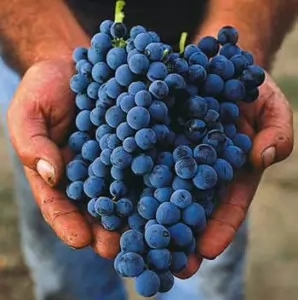
I am very glad that the owner Looi from Luigi’s Wine came up with this theme for our tasting last night over at Peach Blossom Restaurant located at Mandarin Marina. The group of 5 of us – comprising of 4 gentlemen and a lady did a tasting of the following wines : Terredora, Taurasi 2001, Mastroberardino Radici Riserva, Taurasi 1997, 1998, 2006 and a bottle of Mastroberardino Radici 2006.
We were just a group of vinos trying to discover this rare varietal and we started off getting musky berries, sous bois and a rustic hawthorn nose. You could see some age from the edges and the core was bright. Secondary aromas already developed mirroring from the nuances of what we discovered from the nose. The firm tannins were still holding well and jet rounded without any rough edges, in reference to the 1997.
Up next was a wine that was very shy and closed – the 1998. Perhaps due to the chill of the bottle however after a period, it was still hiding somewhere. The rest of the group did discover notes of dry roses and on the mouth it had a good grip, with generous tastes of berries. However, I beg to differ, as I find that this bottle is dumb.
Conversely, the Terredora is different in style – on the nose, the scent of red berries, tar and liquorice surface. The palette was somehow medium with very soft tannins. Paired perfectly well with our pork ribs and bean paste bittergourd.
Next was the bottle that I had sourced from Cru World Wines. Valued at around S$55 and only the last bottle available, it is worth every cent of pleasure. More fruit driven compared to the rest with floral notes integrating with the toasted hawthorn. Rustic and old world style with a slight spice finish on the palette. I enjoyed the 2006 tremendously.
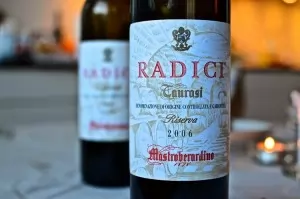
Finally, we did the straight 2006 which was quite similar to the Riserva but somehow less complex.
The evening went well and the discovery of Aglianico is interesting and a valuable learning point, given that this varietal is not often seen in the market and yet affordable to provide much pleasure in enjoying with fellow vinophiles over a meaty meal.
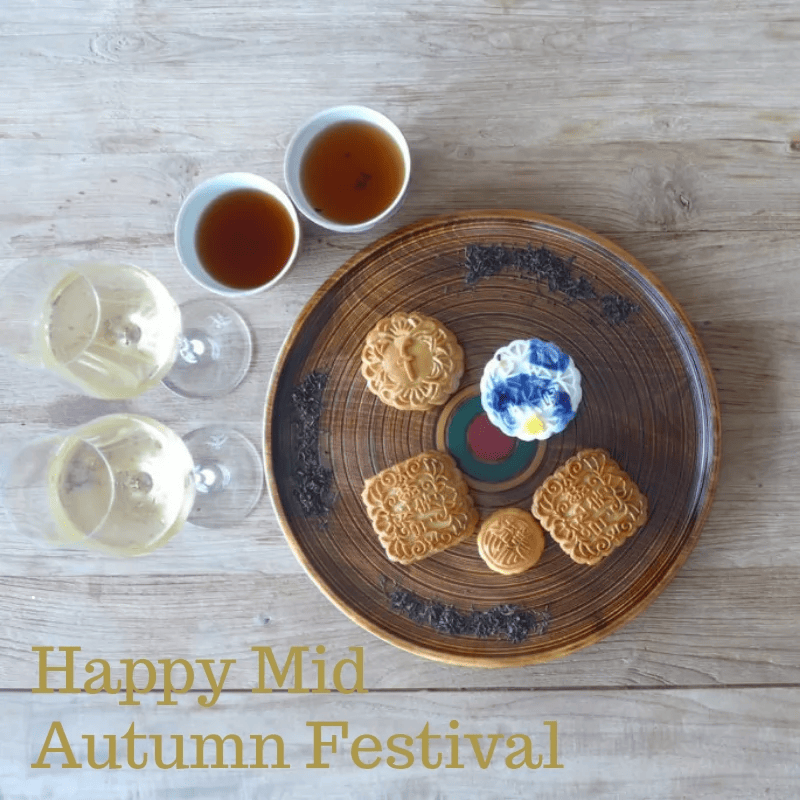
Mid Autumn is next Monday the 24th September 2018 and it is the time of the year that Chinese around the world, celebrate this special day with viewing the full moon and having moon cakes. Traditionally and even till today, mooncakes are made mainly from white lotus seeds and salted egg yolks, which goes well with aged Pu Erh tea. However, with the affluent lifestyle of many and to keep up with the modern times and appeal to more people, mooncakes come in various flavors now ranging from durian to gula melaka, tea infused, and even superfood Acai berry. Some years back, a crazy following for snowskin mooncakes started and is still produced by many hotels, and makes it a perfect combination with bubbles! I am however inclined to the traditional baked mooncakes.
I do not have a sweet tooth but certainly I have a sweet tongue, to enjoy my wines and the occasional slice of mooncake at this time of the year. My weakness especially are sweet wines and I find that pairing of mooncakes with aged Sauternes works well for me. I particularly enjoyed the older vintage that has lower acidity with secondary aromas and taste of marmalade or in Chinese “Guo Pi” (Fruit peel). Top of the pick would certainly be Chateau DÝquem vintage of 1976 which I remembered having it at Cepage in Hong Kong celebrating Mid Autumn in 2010. The citrus coupled with marmalade and caramel notes just lingers on and on with the egg custard mini mooncakes from the famous Spring Moon Restaurant at Peninsula Group.
I think bubblies work very well, and I feel a bottle of Demi Sec Champagne from Pol Roger, or Tattinger might just do wonders to complement the mooncakes this season. If one is not inclined to have alcoholic drinks, stick to the traditional aged Pu Erh tea, perfect to digest these high calorie indulgences.
I hope you enjoyed my wine tip in this post and Happy Mid Autumn to you all!
Wine is a living breathing thing during its time in the bottle. The flavours of wine mature and deepen slowly, which is why wine can be aged over long periods to increase its value. But this propensity for change also means it is particularly vulnerable to influence from environmental factors. Storing wine in the right conditions then assumes a greater importance, as wine kept incorrectly will lose its complex flavours and aromas, develop an unpleasant taste, and in some cases even become undrinkable.
Storing wine bottles in an equatorial climate like Singapore presents its own challenges. Light, heat, and humidity are all natural enemies of wine and keeping your treasured bottles safe from the elements can be a perpetual struggle. Here are a couple of suggestions to assist you in properly storing your wine in Singapore.

1. Keep It Out Of Sunlight
Grapes need sunlight to flourish, and indeed the great vineyards are located where sunshine is abundant. Once turned into wine however, even brief exposure to sunlight can cause damage and wreck the delicate flavours of the beverage. This is largely due to UV radiation which interacts with the many chemical compounds in wine, leading to a musty taste and aroma. Coloured glass wine bottles offer some level of protection, but it is up to individual owners to keep their wines in the dark for optimal preservation.
2. Stay Away From Heat
Wine needs to be stored at around 11-14 degrees celsius. At higher temperatures, wine can age too rapidly and spoil. With average daily temperatures that hover between 24-31 degrees celsius, wine bottles kept outside in Singapore will retain their unique and prized flavours for long.
Cool dark environments are ideal for storing wine, which is why rare or precious wines are often kept in cellars. If you’re storing wine at home, keep it away from light and heat by stowing your bottle in a cupboard. If you frequently buy expensive bottles of wine that you plan to age or drink only on special occasions, then it would be best to invest in a wine cooler.
Wine coolers are able to maintain very low temperatures to ensure your bottles are in optimal conditions. Many coolers also allow you to manually set the temperature which proves beneficial as white wines usually do better in lower temperatures, while reds can be reliably stored at the higher end of the recommended range.
Learn More: 4 Misconceptions About Wine Storage
3. Go For Professional Storage
As a serious wine collector or investor, home storage solutions may not be adequate for your needs. There is always the risk of power outages or equipment failure, which can rapidly destroy high-end wines. With the prices of rare wines reaching into the several thousands, it’s better to leave your precious investment in the hands of experts dedicated to storing your wine in state-of-the-art facilities.
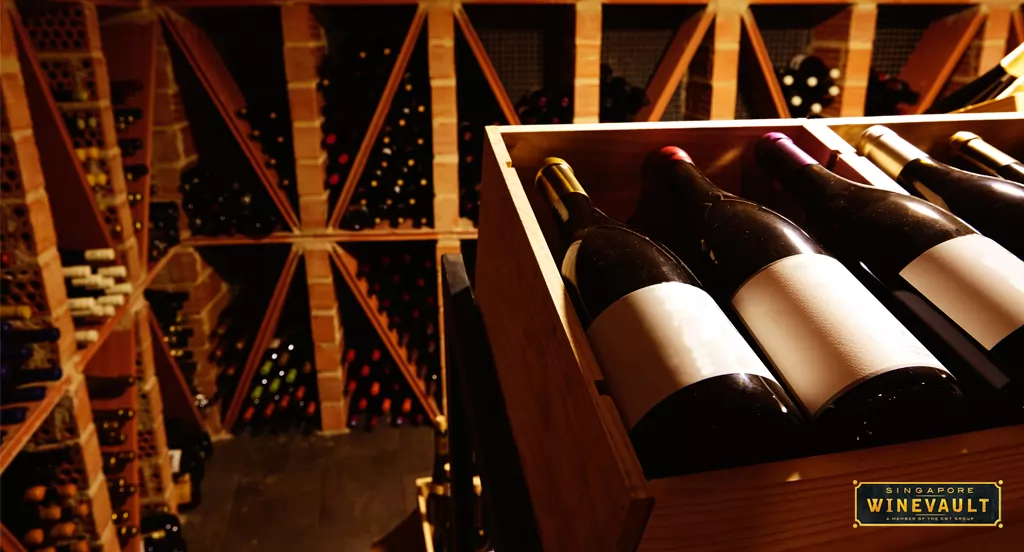
This is where professional wine storage companies shine. With temperature and humidity controlled wine cellars in Singapore, they provide the perfect conditions for wine to age and thrive inside the bottle. These facilities also do not allow natural light to enter, so spoilage from UV radiation is not a concern. They also have extensive security features and emergency backup systems so you can rest assured that your bottles of wine are safe, secure, and ready for you to enjoy anytime you want.
When choosing a professional storage company, always do your research to ensure that they have the capabilities to store your wine properly and have a long history of doing so reliably.
At Singapore Wine Vault, we have the largest urban wine space in the region which spans over 75,000 feet. With over a decade of experience in wine handling, we are constantly innovating to elevate wine storage into wine lifestyles. Contact us today to get in touch with our team and find out more about our cellarage services.
Many of the world’s finest wine-growing regions are situated far from our home in Singapore. Traditional old world wines, like those from France or Italy, have to travel thousands of kilometres to reach us, while new world wines have to traverse even greater distances. The only exception may be wines from Australia or New Zealand, but these countries are still hours away by air.
As a major transport hub, importing items from around the globe into Singapore is usually not an issue. However wine is not just another mass market product. It is a living, breathing liquid that thrives in very specific conditions and spoils rapidly when exposed to temperature extremes, excessive light, or improper handling.
The problem of wine transport and importation is as old as the drink itself and the challenges have been tackled and surmounted for centuries. At Singapore Wine Vault we are as passionate about wine logistics as we are about the wine lifestyle. Here’s a quick behind the scenes look at how we import some of the finest wines into Singapore for our members.
1. Why Wine Needs To Be Transported Carefully
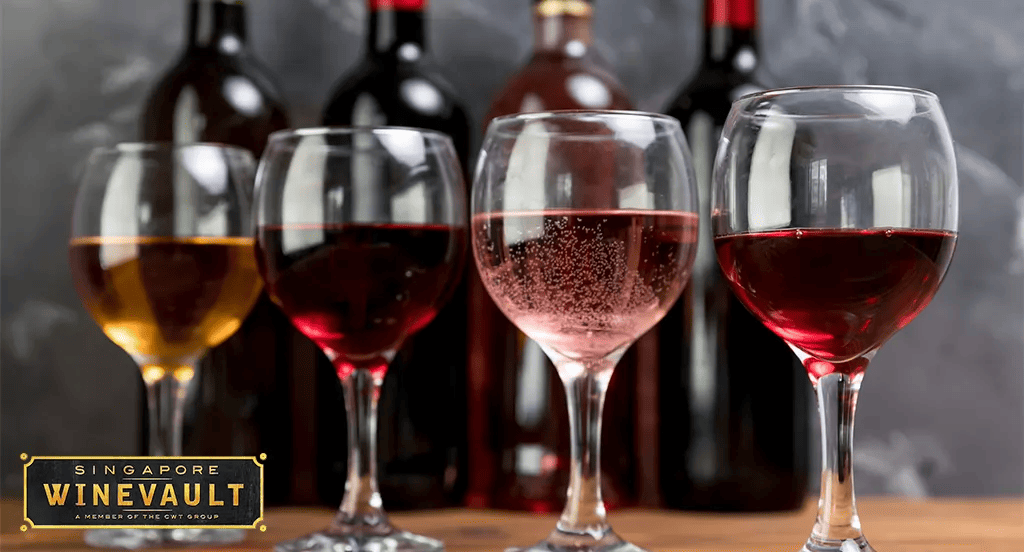
We love wine for the complex interplay of aromas and flavours. The richness of tannins, delicate balance of acidity, and expansive range of fruit and floral notes contribute to its value as a luxury product. But preserving these prized flavours means ensuring that a bottle of wine is transported within very specific parameters.
Wine is very sensitive to heat, and high temperatures can cause or speed up unwanted chemical reactions which can lead to the breakdown of aromatic compounds within the wine.
Prolonged exposure to heat also results in physical damage to the bottle itself, which can result in the cork being pushed out of the bottle and air entering. This causes the wine to spoil or develop cork taint, which gives the wine a musty, wet cardboard-like aroma.
2. How Do We Safeguard The Quality Of Our Wines?
Whether by air freight or onboard vessels, all our wine shipping is done with strict temperature-controlled measures in place. Ideally, wine should be contained between 13 – 15 degrees celsius to minimise the risk of spoilage. Specialised containers, with robust insulation and equipped with temperature control systems, are used to maintain consistent temperatures.
Direct sunlight is another great enemy of wine, and protocols are in place so that the wine is never taken out of protected environments. We also do quality control on our end when we receive a shipment of wine so that our members can be assured that it has arrived in optimal conditions.
Learn More:From Vine To Table: How Exquisite Wines From Around The World Are Brought To Our Cellar
3. How Long To Let Wine Sit Before Uncorking?
Serving wine that has just arrived after a long transit is always a bad idea. Wine needs time to recover and readjust from any temperature fluctuations or agitations suffered during its journey. Doing this also gives the wine time to acclimate to its new environment, reach its optimal temperature for serving, and is an essential aspect of wine transporting.
Our state-of-art wine storage facilities provide the perfect climate-controlled setting for a bottle of wine to sit and regain its amazing flavours. Many wine cellars around the region offer storage services at around 18 to 20 degrees celsius. We go a step further by offering storage at temperatures as low as 12 degrees, depending on the type of wine.
Premium wines require top-notch storage facilities, and on our end, we have rigorous operating procedures all to ensure that every single bottle of wine in our cellar gets the same careful treatment. We are also one of the few warehouses in Singapore to have dedicated dehumidifiers in our vault – an important addition given our muggy climate.
At Singapore Wine Vault we take the utmost pride in sourcing for and preserving the finest wines in the world for our members to enjoy. For more information about the services we provide, and how you can become a member,contact us today and send us your questions.
The wine industry is as complex as a well-aged Cabernet Sauvignon. From wineries to distributors, retailers, and restaurants, there is a vast network of people involved in bringing your favourite wines to a cellar near you. Some of the key personnel in this process are wine agents.
Essentially, wine agents are intermediaries between wineries and distributors. Experts on wine and marketing, they understand consumer trends and usually have deep relationships within the industry. Their experience and specialisation puts them in prime position to broker favourable deals for all parties involved. To help you get a clearer picture of their role, we’ve gone in-depth on the various roles and responsibilities of wine agents.

1. Why Do Wineries Need Agents?
Wineries turn grapes into wine. It’s a craft that stretches back millenia, and remains as difficult and arduous as ever. Harvesting the grapes at exactly the right time is only the start of a process that continues for several years. While good winemakers are able to produce excellent wine, they may not always be able to effectively market and sell their product to the world.
This is where wine agents step in. They provide access to a worldwide community of buyers to facilitate international wine shipping for wineries. Wine agents mediate purchase agreements between the wineries and the distributors and are catalysts in creating long-lasting, profitable partnerships in the wine industry.
Since wineries come in all sizes, from well-established names to boutique wineries that produce less than 10,000 cases annually, not all of them have the ability to independently negotiate deals with international distributors. By working with wine agents, wineries can expand their customer base and increase their sales without having to devote extensive resources to marketing and distribution.
Learn More: Sourcing The Finest Investment-Grade Wine
2. What Is Their Job Scope?
If you’re looking for a wine agent, you’re likely to find them at trade shows, tastings, and other wine-related events. Their job involves a lot of travel as they continually forge new connections with international wine distributors and wineries. The strength of a wine agent lies in their unique ability to reach out to various players in the industry and their job-scope is very much people-centric.
At the various trade shows and events, wine agents are primarily responsible for promoting wines from the various wineries they work with. If a buyer is looking for wine from a specific vineyard, their best chance of striking an international wine shipping deal is to find the agent responsible for the winery that produces it.
Beyond marketing and sales, wine agents also provide a range of other services to wineries. They help with aspects of product development like blending, packaging, and branding to better meet consumer demand. Wine agents may also provide logistical support, such as managing warehousing and transportation, which can help wineries streamline their operations and reduce costs.
3. How Does Singapore Wine Vault Work With Wine Agents?
At Singapore Wine Vault, we are committed to delivering the finest wines from around the globe to your home. Our international wine agents play a critical role in this process as they are able to procure for us various shipments of investment-grade wines upon request.
The longstanding relationships we enjoy with our agents is what allows us to provide our members with some of the most exclusive and sought after wines from renown wineries. We also rely on their intimate familiarity with the industry to source for us hidden gems from the wine world.
Many of our members are wine enthusiasts who are already familiar with wine culture. We provide not only a safe harbour for their most expensive bottles, but also introduce them to rare high-end wines they are unlikely to have tried before. This is only possible due to the outstanding work conducted by our wine agents who are tireless in their pursuit of the best wines from regions like France, Italy, Spain, USA, Australia, and New Zealand.
Curious about the cellarage services we provide and the wine memberships we offer? Contact Singapore Wine Vault today for more information, and drop us a line with any questions you may have.
For people with busy schedules, getting appropriate gifts for friends and family can be a challenge. Between holidays, birthdays, house warmings, engagement parties, and the many other celebratory events where gifts are expected, it can be time-consuming to shop for the right present for any given occasion.
Situations like these are where a good bottle of vino truly shines. Classy, elegant, and congenial, wine is an excellent gift for the people you care about. Having a wine membership with the Singapore Wine Value also gives you access to a broad range of different bottles. This diversity also makes wine an appropriate gift for nearly every event and during any season.
For those on the fence about gifting wine to the people they care about, here are some reasons why a bottle of wine is an excellent item to bring along to your next celebration.
- 4-day show admission pass to ProWine Asia and HOFEX 2017
- Buyers’ Guide containing a full exhibition preview & programme highlights
- Complimentary Business Matching Services
1. Wine Comes In Many Varieties
To the uninitiated, wine is simply just another alcoholic beverage. However wine lovers know and recognise that it’s an exceedingly complex and varied drink, and every bottle of wine is different and distinct. This allows you to tailor the type of wine you are gifting to the specific occasion and season.
Attending a Christmas dinner? Can’t go wrong with a bottle of Pinot Noir or aged Merlot. They pair well with holiday fare like turkey and can be shared with dinner guests to elevate the party. Going for a baby shower? Why not choose a Cabernet Sauvignon that was bottled that same year? Your gift then becomes a thoughtful memento and can be aged in a wine cellar or cabinet and enjoyed in the future.
If you’re ever stuck on which bottle of wine to get for a special occasion, keep in mind that sparkling wines like Champagne are almost universally loved and enjoyed.
Learn More: A Guide To The Basics Of Wine Pairing
2. Wines Can Be Personalised
The best gifts are always personal to the recipient. Unlike other common gifts like chocolates or fruit baskets, wine can be easily and thoughtfully personalised to show someone how much you know and care about them.
If you have a friend or family member who loves red meat, then a bottle of reds would serve them well. Someone planning a holiday or just came back from a trip? Get them a bottle of wine from that region. Some services even allow you to customise wine bottles so you can add the names of the recipients along with a personal message to make your gift just that little extra special.
If you are planning to buy a special bottle of wine for someone close to you, it can be useful to hop over to our online Singapore duty calculator to determine how much tax you might be required to pay on your purchase. This allows you to plan and budget your gift better.
3. Wine Passion Is Popular Throughout The Year
The number of wine lovers around the world has been growing steadily over the years. Wine is rapidly being recognised for its inimitable taste and versatility which makes it a popular option for merrymaking. Wine also pairs well with food, has numerous health benefits, and serves to heighten any dining experience.
While it is definitely an option for festive seasons, it is also frequently enjoyed throughout the year. With this year-long widespread acceptance, getting a bottle of wine is an excellent choice for both last-minute gift shopping and when you want to pick out something thoughtful and well-considered.

4. Wine Is A Sign Of Prestige And Luxury
No matter the price range, a bottle of wine is always seen as a glamorous, classy gift. It has become a cultural symbol that signifies luxury. While the availability of wine has increased in recent years, the prestige associated with a bottle of wine has remained the same.
Wine also has the added advantage of not needing to be consumed immediately. It can be kept in a wine cellar and opened at the recipient’s pleasure giving them control and flexibility. With wines that can be aged, it can even be stored away for other special occasions.
Ultimately, wine is a gift that doesn’t impose on the giver or the recipient while still maintaining its highly regarded status. It is also highly varied in taste and flavour, is convenient to purchase, can be easily personalised, and is widely enjoyed throughout the world. All these factors play a role in why wine has long been a staple of gift-giving and continues to be an expression of friendship and familiarity.
At the Singapore Wine Vault, we’re experts in wine cellarage and passionate about elevating wine storage into a wine lifestyle. Our 750,000 square feet state-of-the-art urban wine space is the largest in the region and we frequently host events for our members to get together for wine tasting sessions. Reach out to us today to learn more about the services we offer and our team will get back to you.
If you’re an enthusiast or a business owner looking to purchase wine, understanding the laws around alcohol tax in Singapore is crucial. It includes excise duties and Goods and Services Tax (GST). Both of which play significant roles in impacting the price of wine. In this article, we delve into the different types of wine taxes in Singapore and provide links to a few handy tools which you can use to calculate the total charges involved in the cost of your wine purchase.
Why Is It Important To Know About Wine Tax?
If you are buying wine from a store or retailer, you generally don’t need to worry about wine tax. It’s all been calculated by the seller, with their own markup added to the final sale price.
However if you are considering buying investment wines from overseas and importing them into Singapore, then the excise duty and GST payable takes on a new significance. The more expensive the wine, the higher the taxes involved and these additional costs have to be accounted for in your investment strategy.
Learn More: Sourcing The Finest Investment-Grade Wine

Excise Duty
The first type of alcohol tax in Singapore is excise duty, which is a tax levied on the importation of goods such as wine. The excise duty rates for wine are based on the alcohol content and volume of the wine. As of 2021, the excise duty rate for wine is $88 per litre of alcohol. This means that a 750ml bottle of wine with an alcohol content of 13% would be subject to an excise duty of $8.58.
Goods & Services Tax
On top of excise duty, there is also an 8% GST charged on imports into Singapore (as of 2023). The GST is calculated on top of the customs value and any excise duties that have to be paid. So using the example above, if your 750 ml bottle of wine with an ABV of 13% has a customs value of $100 (including costs, insurance, and freight), then the GST chargeable will be 8% of $108.58, which is $8.69.

Duty & GST Calculators
So when calculating the cost of purchasing wine in Singapore you have to take into account the customs value, excise duty rate, and the prevailing GST rate. If you are confused about any of this, there are multiple online tools such as GST calculators for Singapore which can be used.
To make things easier for our customers, we have our own duty calculator where you can input the number of bottles, quantity per bottle, alcohol strength, and CIF (cost, insurance and freight) value to find out how much duty is payable and the extra GST charges on top of that.
Understanding alcohol tax in Singapore is crucial for anyone looking to purchase wine for their own enjoyment or as part of their investment portfolio. By using our duty calculator, you can have up-to-date, accurate knowledge about the total cost of your wine purchase. With this information, you can make better decisions and ensure that you’re not overspending on your wine purchases.
At the Singapore Wine Vault, we have state-of-art facilities dedicated to preserving your wine bottles to ensure they are aged in the right conditions. Contact us today to learn more about our services and drop us a line with your queries.
Wine has been a symbol of luxury and sophistication since ancient times. Its association with lavish lifestyles has made it a much sought-after commodity among high net individuals. In recent years, wine has also become a viable investment option, with some wine portfolios garnering higher returns than other traditionally stable investments.
If you’re a wealthy wine lover, investing in vino is a no-brainer. You already have a leg up in terms of understanding the product and the market. Investing in wine can also increase your social capital and open up more business opportunities in the future. There are in fact many benefits to wine investment and in this article we take a brief look at some of them and cover the factors you need to consider.
Wine as an Asset Class
Wine is classified as an alternative asset class, which means it is not correlated with traditional assets such as stocks and bonds. The wine market operates independently of financial markets, although it can still be influenced by the state of the economy.
This lack of correlation makes wine a good addition to diversify your portfolio and lower your risk. It provides a hedge against market volatility which can be useful when there is an economic downturn.
Unlike other alternative assets like art, classic cars, or jewellery, the value of wine directly increases as it ages. This is due to how complex flavours develop in a wine bottle over time. The supply of any one vintage of wine is also limited, positively influencing its value and making a particular wine investment more valuable.
Factors Affecting Wine Prices
The value of wine is determined by several factors, including vintage, producers, region, and rarity. Vintage refers to the year in which the grapes were harvested, and has a significant impact on the quality and value of the wine. Different years have varied climatic conditions which can change the quality of a particular vintage.
Producers, regions, and rarity are also critical factors that influence wine prices. For example, wines from popular wine regions such as Burgundy, Bordeaux, and Tuscany are known for their high quality and exclusivity, which makes them more valuable. Similarly, wines from renowned producers such as Château Lafite Rothschild are highly sought-after and command exorbitant prices.
Learn More: Sourcing The Finest Investment-Grade Wine
Investing in Wine
Investing in wine requires a significant amount of knowledge and research, and thus may present a high barrier to entry for the average investor. Beyond the quality and perceived value of the product, you also need to consider factors such as the storage of wine.
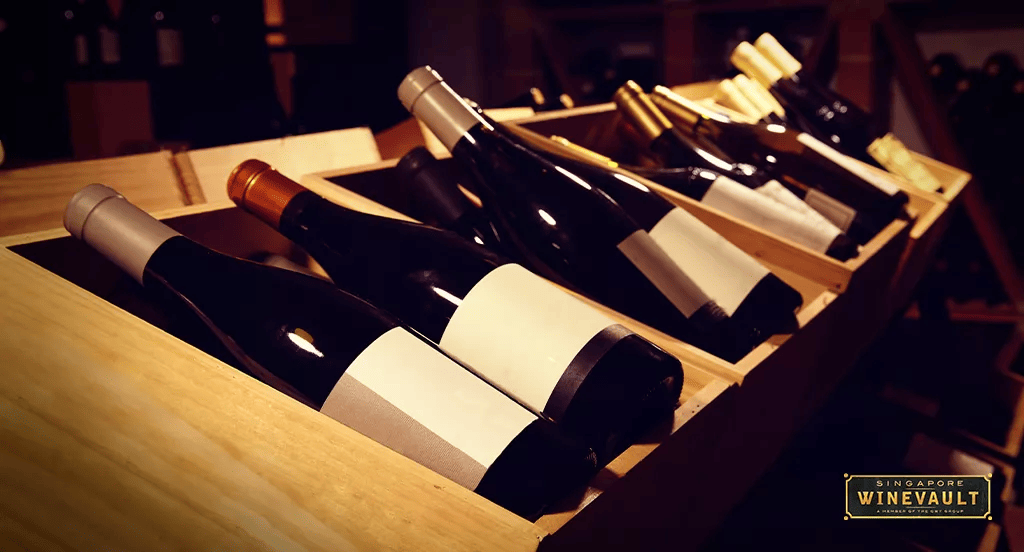
Proper storage is crucial to maintaining the quality and value of the wine. Wine needs to be stored in a temperature-controlled environment, away from light and vibration, to prevent oxidation and spoilage. For rare investment-grade wines, it may be preferable to tap on the resources of professional cellaring services rather than rely on home cellars.
If you are wondering how to begin investing in wine, it can actually be done through various channels, such as buying individual bottles, purchasing wine funds, or investing in wine futures.
Individual bottles are the preferred and most common method of wine investing as it allows you to build a collection that you believe will increase in value over time. Wind funds on the other hand is a more passive form of investment where your capital is handed over to a fund that manages a portfolio of wine.
Investing in wine futures is more speculative and can be useful for more advanced investors. It involves purchasing wine that has not yet been bottled, with the hope that its value will increase once it is released.
From an investment perspective, it makes sense to diversify by opting for wine as an alternate asset. For wine enthusiasts, it’s another way to indulge in your passion while also potentially earning a tidy sum through buying and selling at the right times. However, it’s important to note that wine investing is not without risk. It is possible for investors to lose large amounts of money if they fail to do their due diligence, conduct the necessary research and ensure they have the proper resources for preserving their wine bottles.
The Singapore Wine Vault prides itself on being a secure state-of-the-art facility dedicated to safeguarding your liquid assets. Contact us today to learn more about our wine storage services and send us your queries.
Wine is a living breathing thing during its time in the bottle. The flavours of wine mature and deepen slowly, which is why wine can be aged over long periods to increase its value. But this propensity for change also means it is particularly vulnerable to influence from environmental factors. Storing wine in the right conditions then assumes a greater importance, as wine kept incorrectly will lose its complex flavours and aromas, develop an unpleasant taste, and in some cases even become undrinkable.
Storing wine bottles in an equatorial climate like Singapore presents its own challenges. Light, heat, and humidity are all natural enemies of wine and keeping your treasured bottles safe from the elements can be a perpetual struggle. Here are a couple of suggestions to assist you in properly storing your wine in Singapore.
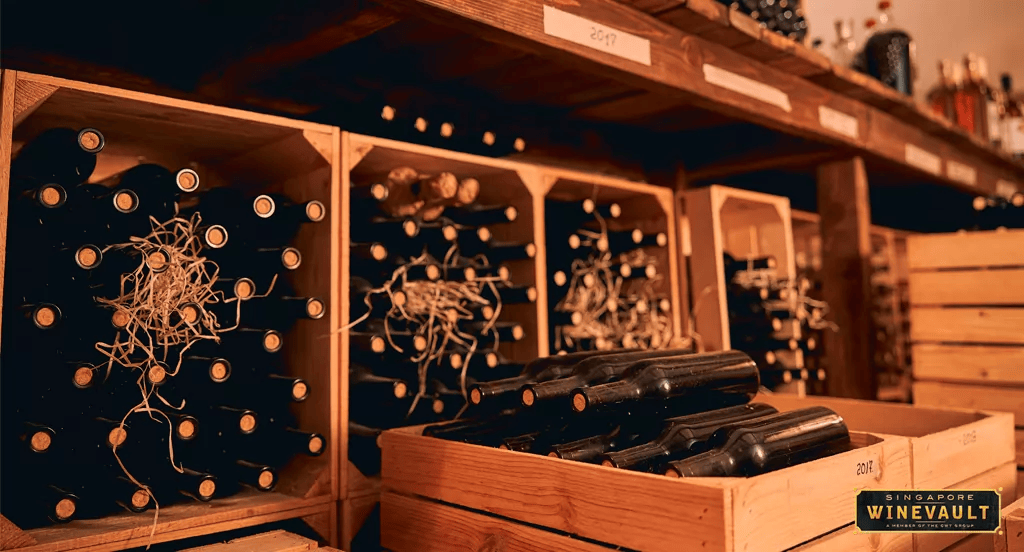
1. Keep It Out Of Sunlight
Grapes need sunlight to flourish, and indeed the great vineyards are located where sunshine is abundant. Once turned into wine however, even brief exposure to sunlight can cause damage and wreck the delicate flavours of the beverage. This is largely due to UV radiation which interacts with the many chemical compounds in wine, leading to a musty taste and aroma. Coloured glass wine bottles offer some level of protection, but it is up to individual owners to keep their wines in the dark for optimal preservation.
2. Stay Away From Heat
Wine needs to be stored at around 11-14 degrees celsius. At higher temperatures, wine can age too rapidly and spoil. With average daily temperatures that hover between 24-31 degrees celsius, wine bottles kept outside in Singapore will retain their unique and prized flavours for long.
Cool dark environments are ideal for storing wine, which is why rare or precious wines are often kept in cellars. If you’re storing wine at home, keep it away from light and heat by stowing your bottle in a cupboard. If you frequently buy expensive bottles of wine that you plan to age or drink only on special occasions, then it would be best to invest in a wine cooler.
Wine coolers are able to maintain very low temperatures to ensure your bottles are in optimal conditions. Many coolers also allow you to manually set the temperature which proves beneficial as white wines usually do better in lower temperatures, while reds can be reliably stored at the higher end of the recommended range.
Learn More: 4 Misconceptions About Wine Storage
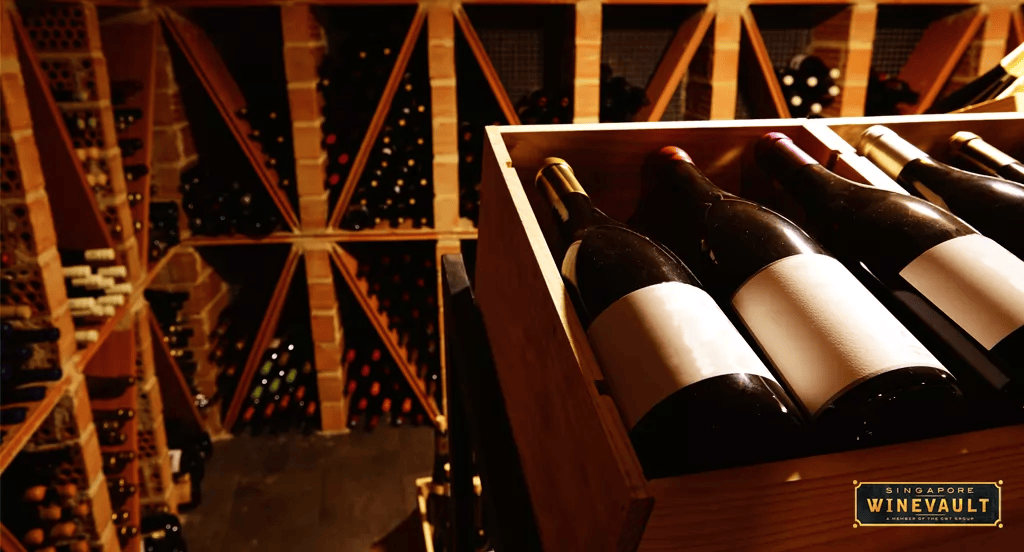
3. Go For Professional Storage
As a serious wine collector or investor, home storage solutions may not be adequate for your needs. There is always the risk of power outages or equipment failure, which can rapidly destroy high-end wines. With the prices of rare wines reaching into the several thousands, it’s better to leave your precious investment in the hands of experts dedicated to storing your wine in state-of-the-art facilities.
This is where professional wine storage companies shine. With temperature and humidity controlled wine cellars in Singapore, they provide the perfect conditions for wine to age and thrive inside the bottle. These facilities also do not allow natural light to enter, so spoilage from UV radiation is not a concern. They also have extensive security features and emergency backup systems so you can rest assured that your bottles of wine are safe, secure, and ready for you to enjoy anytime you want.
When choosing a professional storage company, always do your research to ensure that they have the capabilities to store your wine properly and have a long history of doing so reliably.
At Singapore Wine Vault, we have the largest urban wine space in the region which spans over 75,000 feet. With over a decade of experience in wine handling, we are constantly innovating to elevate wine storage into wine lifestyles. Contact us today to get in touch with our team and find out more about our cellarage services.
Hong Kong – Wine Hub of Asia Pacific
ProWein is the No. 1 wines and spirits trade fair and largest industry meeting place in the world, and continues to engage and connect a global network of trade professionals looking for new opportunities in Asia’s fast-growing markets. ProWein World offers a global platform for market expansion through a family of international wines and spirits trade shows. ProWine Asia 2017 in Hong Kong will host a wealth of wines and spirits producers from across the globe alongside importers from the booming markets of Southern China, Macao, Taiwan, South Korea and Japan. ProWine Asia, the newest addition to the ProWein World Platform, sets its sights on Hong Kong on 8 – 11, May 2017.
Enter the Booming Markets of Southeast Asia

While Asia’s wines and spirits market is young, the potential for business is enormous. China’s consumption power is now coupled with a young generation of savvy connoisseurs, extremely eager to learn, taste and experience the sophistications wrapped around the world of wines.
The international wine industry has shown profound excitement for Hong Kong being the newest destination for ProWine Asia. Participation was quickly confirmed by producers and suppliers from major wine regions of France, Italy, Spain, Germany, Portugal, Austria, Greece, Australia, Chile and Canada.
Programme Packed with an All-star Cast
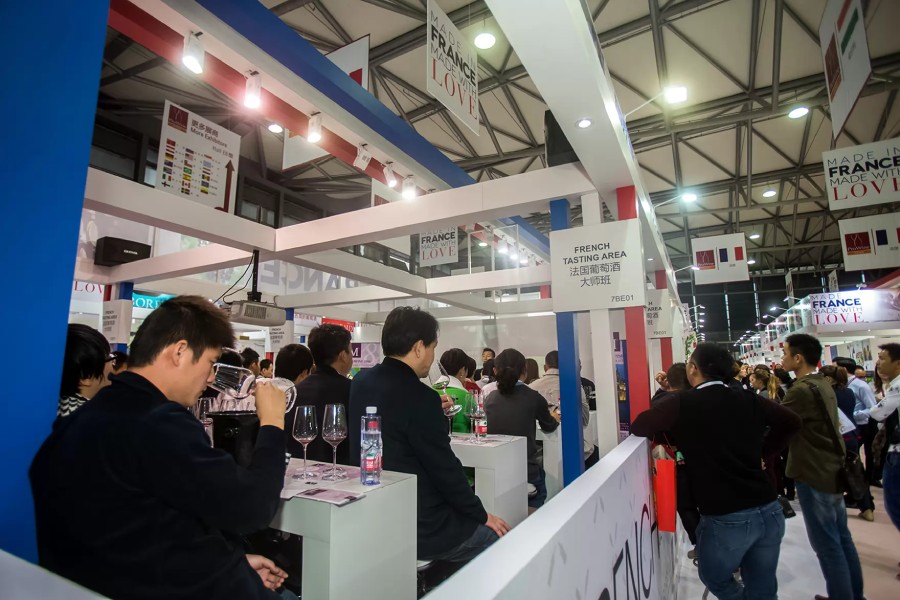
ProWine Asia 2017 features renowned opinion leaders in addition to trade organizations and associations including Jancis Robinson’s seminars and hosted tastings, Asia Wine Industry summits by Debra Meiburg, trade seminars by Hong Kong Wine Chamber of Commerce, CRU and Whisky Magazines, with other events and announcements further being developed.
ProWine Asia’s collocation with HOFEX 2017 as its dedicated wines and spirits sector promises enormous opportunities for business connections between the wines, food, and hospitality industries. The exciting collaboration is set to generate business synergies between suppliers and importers while bringing high-quality, professional buyers to ProWine Asia 2017 in Hong Kong.
Visitor Pre-registration Now Open!
ProWine Asia 2017 Online Visitor Registration is now officially opened and can be accessed through the Visitor Services Section of the ProWine Asia Website. Visitors who register online will receive:
Pre-register online before visiting ProWine Asia 2017
For more details or to register online, please visit www.prowineasia.com/hk